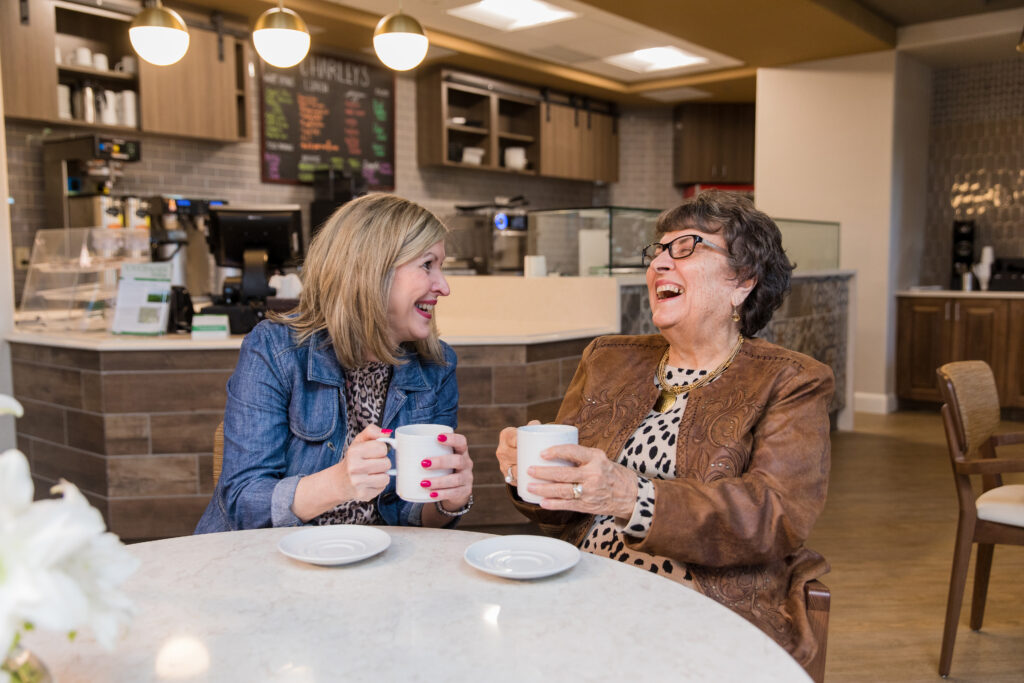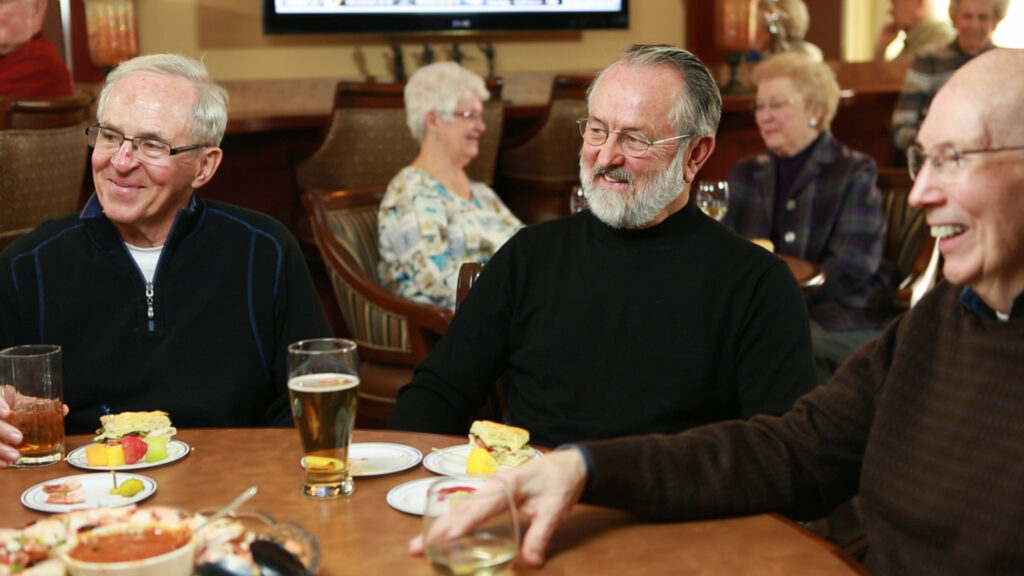
When we think about healthy aging, exercise, nutrition, sleep, and preventive health care often come to mind. But there’s another important piece of the puzzle that can be easy to overlook: staying connected to other people.
Research increasingly suggests that meaningful social connection can support physical health, cognitive health, emotional well-being, and longevity. The Centers for Disease Control and Prevention identifies social connection as an important contributor to longer, healthier lives, with strong relationships potentially helping protect against conditions including heart disease, stroke, dementia, depression, and anxiety.
And staying socially connected doesn’t mean filling every day with activities. It means having relationships that help you feel supported, valued, and part of something larger than yourself.
Social Connection Is Part of Healthy Aging
Socializing can sometimes be viewed as something enjoyable but optional. Research suggests it may play a much more important role in how well we age.
A 2025 study involving more than 25,000 older adults found an association between social isolation and a lower likelihood of healthy aging. Other research has connected social isolation and loneliness with increased risks of frailty and mortality.
That makes social connection worth considering alongside other healthy habits. Relationships don’t replace physical activity, nutritious food, adequate sleep, or medical care. Rather, they can be another important part of supporting health and quality of life as we age.
Staying Connected May Support Brain Health, Too
Relationships also give our brains opportunities to stay engaged. Conversations, shared experiences, hobbies, games, classes, and other social activities require us to process information, respond to new situations, and continue learning.
The 2024 Lancet Standing Commission on dementia prevention identified social isolation as one of the potentially modifiable factors associated with dementia risk, while participation in social activities has been associated with decreased risk.
Socializing cannot guarantee protection against cognitive decline, but it may be one piece of a broader approach to supporting brain health.
Why Staying Social Can Become Harder with Age
Social circles can change gradually as we grow older. Retirement may eliminate regular interaction with coworkers. Friends may move or pass away. Adult children may live farther away. Changes in health, mobility, or driving can make favorite activities harder to reach.
Over time, a once-full social world can quietly become smaller.
That’s one reason your social environment can be an important consideration when deciding where and how you want to live as you age.
Making Connection Part of Everyday Life
One potential benefit of living in a retirement community is proximity. Instead of having to drive across town to meet a friend, attend a fitness class, enjoy a meal, or participate in a club, opportunities for connection are just outside your door.
At Touchmark, opportunities to connect are woven into daily community life through dining, fitness, lifelong learning, volunteerism, interest groups, outings, and everyday interactions with neighbors. Participation is always a choice—the goal isn’t to stay busy every moment, but to make meaningful connection easier to find when you want it.
Learn More About Social Connection and Healthy Aging
How can relationships affect physical health and longevity? What’s the difference between loneliness and social isolation? And what practical steps can you take to build and maintain meaningful connections as you age?
Our new whitepaper, Social Connection and Healthy Aging: Why Staying Social Matters as You Age, takes a deeper look at the research and explores:
- How social connection may support physical health, brain health, and longevity
- The difference between loneliness and social isolation
- The types of relationships that contribute to a healthy social life
- Why maintaining connections can become more difficult with age
- How senior living can make everyday interaction more accessible
- Practical ways to strengthen your social connections and sense of purpose
Download the full whitepaper to learn why connection is an important part of healthy aging—and how creating more opportunities to connect can support a fuller life.