We are officially in the icy and slippery season, which is a great time to think about our risk of falling and that of our loved ones. Please enjoy these tips from Touchmark Vice President of Clinical Services Angela Stewart for getting the help you or your family member may need.
What are the most common risk factors for falls in older adults?
Common risk factors for falls in older adults can be internal, external, or influenced by task demands. Some of the common risk factors include changes in medication, changes in one’s health or cognition, or a new/unfamiliar location. The higher the risk, the more likely you are to sustain an injury. Additionally, studies have found that the fear of falling increases the risk of falling.
- A new medication or combination of medications can increase the risk of falling.
- Changes internally to one’s physical and cognitive health can affect muscular weakness, sleep deprivation, balance and gait changes, vision changes, challenges with pain management, and other chronic conditions. For example, cardiovascular (heart) difficulties can often lead to numbness in the limbs or loss of blood to the brain, which can cause fainting.
- Older adults with a fear of falling may limit their activities and social engagements. This can result in further physical decline, depression, social isolation, and feelings of helplessness.
- Someone with cognitive impairment alone is up to eight times more likely to suffer a fall as their disease progresses compared to someone without cognitive impairment. (Source: Dr. Eckstrom of OHSU, Geriatric MD)
- Being in an unfamiliar environment or pushing one’s task demands can increase their risk based on lighting, supportive features such as railings, transitions between flooring, self-awareness to know one’s limits, uneven or slippery floor surfaces and steps/stairs.
Are there specific tools or assessments that you recommend for identifying and evaluating fall risk?
There are many assessment tools available for identifying and evaluating fall risk. A common one is the “Morse Fall Scale.” The Centers for Medicare and Medicaid Services (CMS) require an Outcome and Assessment Information Set (OASIS).
I recommend a multifactorial assessment that includes a (1) health assessment to identify risk factors, (2) a home evaluation to provide additional support, reduce tripping hazards, or non-supportive features like a bed that is too high, (3) an evaluation on the fear of falling, and (4) a plan for your team to routinely manage risk factors.
Physical therapists often use these three questions to evaluate fear of falling:
- How many falls in the past year? Were you injured?
- Do you sometimes feel unsteady when walking?
- Are you worried about falling?
What are the most effective strategies for preventing falls among older adults, both in terms of lifestyle modifications and environmental considerations?
Once probable risk has been identified, it is then necessary to implement preventative strategies or seek appropriate medical attention to manage predictors. Here are the top three most effective strategies for preventing falls among older adults, both in terms of lifestyle modifications and environmental considerations:
- Safe environmental practices: Reduce clutter, omit throw rugs, add grab bars securely fastened to the wall, add a walking aid or shower chair, provide a night light, create a clear path to the bathroom, keep all frequently used items within reach, and ensure one’s feet touch the floor when sitting on their bed. Advanced needs might benefit from a contour mattress or high-low bed.
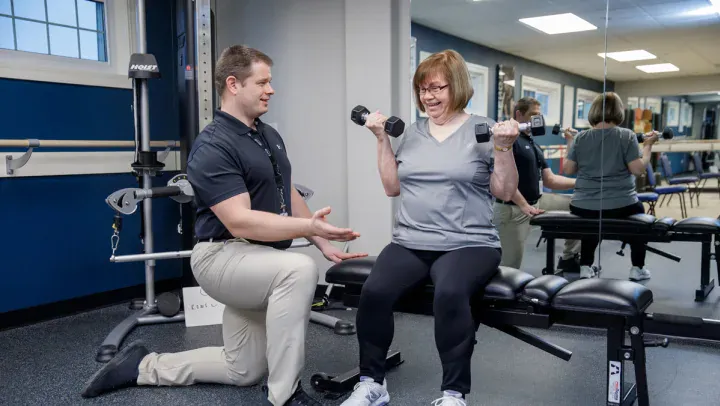
- Person-centric supports: Is the person able to ensure adequate nutrition, hydration, and medication administration as prescribed? Are they wearing supportive footwear? Is pain and depression treated? Are vision and hearing challenges treated? Single-lens distance vision glasses may reduce falls versus one using bifocals or progressive lenses. Is it beneficial to monitor vital signs for orthostatic hypotension and instruct them to sit awhile and march arms/legs before standing? Would an accompanied two-hour toileting schedule be beneficial? Would you qualify for a home health physical or occupational therapist, or might you initiate personal training as a maintenance and preventative strategy? Would a tracker or call system be beneficial? Keep a log so you can determine common reasons for a fall or time of day. If a fear of falling exists, which is a strong independent predictor of future falls and activity avoidance, coach against the fear of falling.
- Medical and medication review/modification (by a physician or pharmacist on a regular basis). Polypharmacy (taking more than five prescribed medications) increases side effects and contradictions with one’s medications or supplements which can increase fall risk. Lastly, talk with your doctor about starting Vitamin D /calcium supplements, which studies show lessen one’s fall risk.
How can a combination of physical activity, home modifications, and educational interventions be tailored to each patient’s needs?
All goals start with a plan. A plan is developed through self-initiation, evaluations, and professional recommendations. Lean into being educated about this topic and the needs identified will shift into action items in which you can arrange your calendar. Everyone is different, so it is important to tailor interventions to each person. A combination of the recommendations mentioned above will lessen one’s risk of falling. Unfortunately, many diseases—particularly mobility or cognitive ones—make it challenging to eliminate falls. In these cases, the goal is to prevent some or lessen the risk of harm regarding injury.
If you or a loved one is at risk of falling and you’d like practical help, please contact your nearest Touchmark community to learn how we may be able to serve you.